





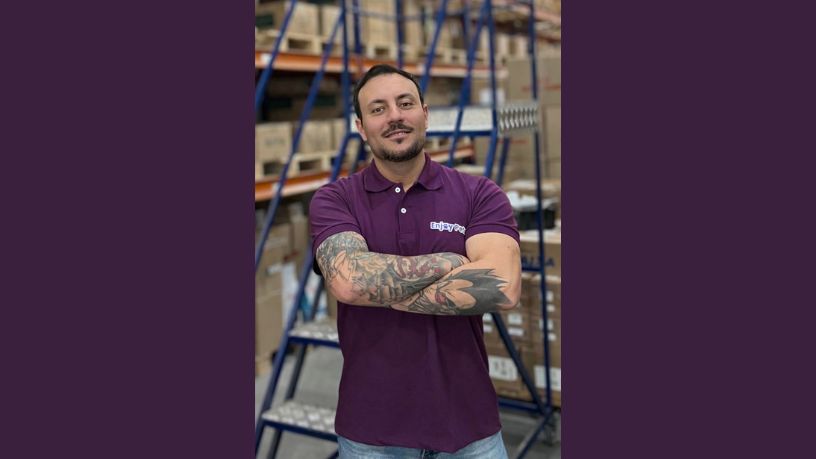

Every pet store celebrates when a customer buys a second time, but that second purchase alone proves no loyalty at all. Hugo Galvao de Franca Filho, founder and director of Enjoy Pets, often separates two types of customers who look identical in a sales report but behave in completely different ways: the one who came back because they found the lowest price that month and the one who came back because they trust the store regardless of whatever promotion happens to be running.
The difference between the two only shows up over time, and that’s exactly where most pet operations get the diagnosis wrong. Looking at repeat purchase rate in isolation, without understanding the reason behind it, leads to marketing decisions built on a number that mixes loyal customers with opportunistic ones, treating both as if they belonged to the same base of genuinely committed buyers.
A one-off repeat purchase isn’t real loyalty
A customer might buy food twice in the same quarter simply because the pet finished the product and needed a refill, with no connection whatsoever to the shopping experience itself. That kind of repeat purchase is natural to the pet consumption cycle, not a sign that the store built something beyond momentary convenience, being available exactly when the need happened to appear.
Hugo Galvao notes that mistaking this pattern for real loyalty leads entrepreneurs to invest in retention campaigns that miss the actual problem. The question that separates the two cases is simple: would this customer come back even if they found the same product, with the same delivery time, for a slightly lower price on a competing marketplace?
The period after delivery decides whether a customer returns
The experience that truly builds loyalty happens after the order arrives, not during checkout. How the packaging protects the product, whether any usage guidance came with the item, and whether the store notifies the customer when the order is on its way—all of this shapes the memory a customer carries of the brand far more than the act of completing the purchase itself.
Enjoy Pets treats this moment as a central part of the operation, not a secondary logistics detail. Hugo Galvao de Franca Filho reinforces that a well-handled post-purchase experience, including a follow-up touchpoint after delivery, tends to weigh more on the repurchase decision than any discount applied on that specific customer’s first order.
Fast support resolves complaints without building loyalty on its own
Responding quickly when something goes wrong is a basic obligation for any operation, not a real competitive edge. Handling a complaint well keeps a customer from staying unhappy, but it’s rarely what makes someone choose the same store again among dozens of similar options on the marketplaces where they regularly buy food and supplies for their pet.
What builds loyalty happens before the problem exists, when the store at www.enjoypets.com.br has already shown care without needing a complaint to prompt it. Proactive communication, clear information about delivery time, and the right product for that specific pet’s profile weigh more in the long run than any speed of response in a one-off support ticket.



Loyalty is an ongoing project, not a discount campaign
Treating loyalty as a campaign with a start and an end is the mistake that shows up most often in pet operations that grow fast and then stall. As soon as the campaign ends, buying behavior returns to its starting point, because nothing structural actually changed in the relationship between the store and the people who buy there regularly, month after month.
Hugo Galvao de Franca Filho reinforces that loyalty is built through the sum of small, repeated decisions: careful packaging, clear communication, and attention to each customer’s purchase history. None of these actions looks decisive on its own, but together they form the real reason a pet owner keeps choosing the same store, month after month, without needing any reason beyond the trust already built.